Print That Delivers The Modern Catalogue Strategy
A well designed printed catalogue gives customers the freedom to browse at their own pace, build trust in your brand and make confident decisions without feeling rushed.
Catalogues That Help Your Brand Stay Front of Mind
Catalogues can be a stylish addition to your marketing, especially when your customers need time to compare products, understand details and revisit information before making a decision. If you have a sales team, showroom or display office, a printed catalogue gives potential customers something tangible to take away and refer back to later.
Media Booth® can help plan, design and prepare printed catalogues that stay true to your branding, present your offer clearly and support your customer journey from first impression to final enquiry.

1. Xerox Info Trends Research. 2. Direct Marketing Production Printing U.S. Report.
3. DMA & Demand Metrics. 4. Bangor University Centre for Consumer Psychology.
Communicate Value
Present your full offering clearly so customers can understand features, benefits and options without feeling rushed.
Get Seen
Use catalogues in showrooms, sales meetings, mail outs and events to keep your brand in your customer’s hands.
First Impressions
A professionally designed catalogue can elevate how your business is perceived from the first interaction.
Sell With Clarity
Catalogues give you room to explain inclusions, processes and variations without overwhelming the reader.
How Media Booth® Helps With Printed Catalogues
Print design that gives your customers a clear, credible and easy to browse sales tool.
Our in-house designers have extensive experience in both digital and print design. This helps ensure your catalogue stays true to your branding, looks professional in print and supports the way your customers actually make decisions.
From product information and imagery through to layout, hierarchy and print ready artwork, Media Booth® can help create a catalogue that feels polished, practical and aligned with your wider marketing.
Designed for Confident Decision Making
From first impressions to final questions, a printed catalogue supports your customer journey with clarity, credibility and a more relaxed path to purchase.

No Pressure
A printed catalogue allows customers to flick through at their own pace, compare options and share details with other decision makers.
Ask About Catalogues
Professionalism
First impressions count. A quality printed catalogue can create a lasting impression and help your business feel more established.
Make an Impression
Answer FAQs
A catalogue can answer common questions, explain key details and help customers take the next step with more confidence.
Plan Your CatalogueQuality Catalogues Work
The aim of a catalogue is for a range of available goods or services to be understood quickly and appreciated for its design. With the right structure, catalogues can become one of the most useful sales tools in your marketing mix.
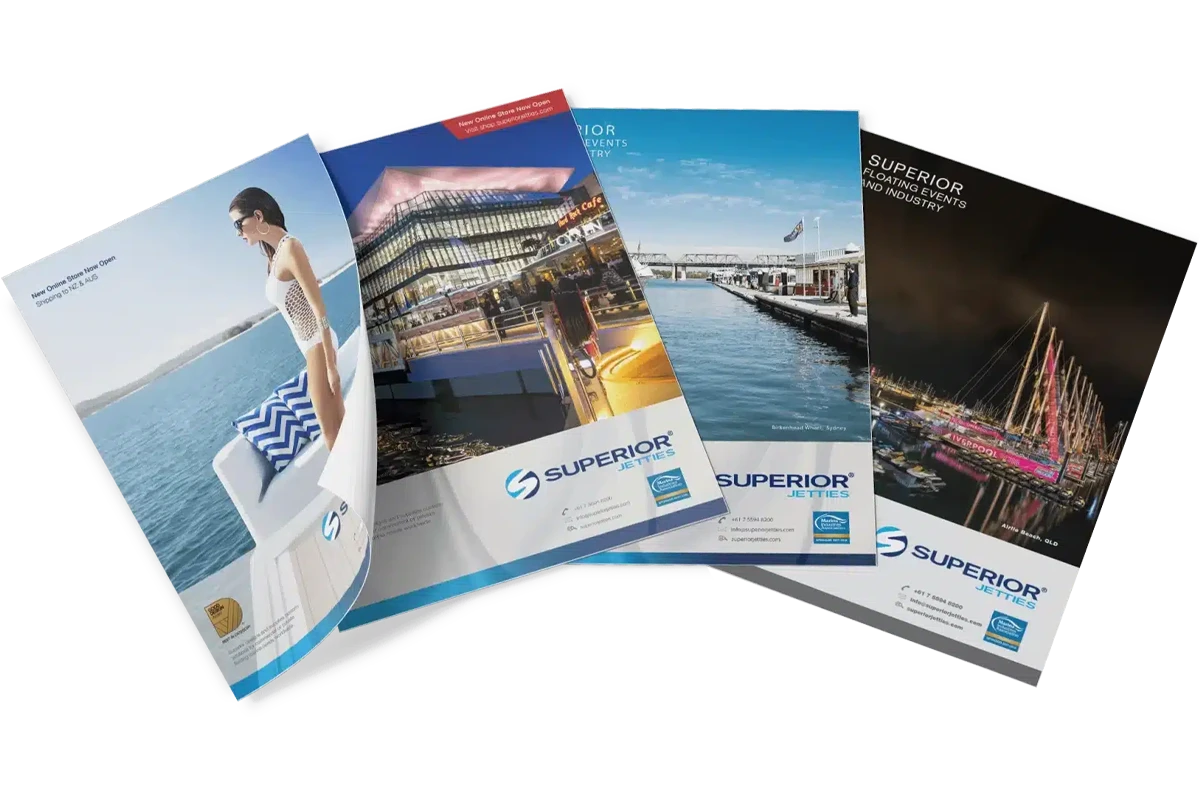
Are Catalogues Important?
Catalogues are a tool used to identify and reinforce brand perception. A well designed catalogue can help customers understand your offer, compare options and feel more confident before making an enquiry or purchase. Marketing specialists know how much precision goes into the creation of a catalogue and how much a good catalogue can influence the sales process.
A strong catalogue should be functional, easy to consult and intuitively designed. It should also feel appealing, with a quality cover, strong paper choice and a clear modern layout.
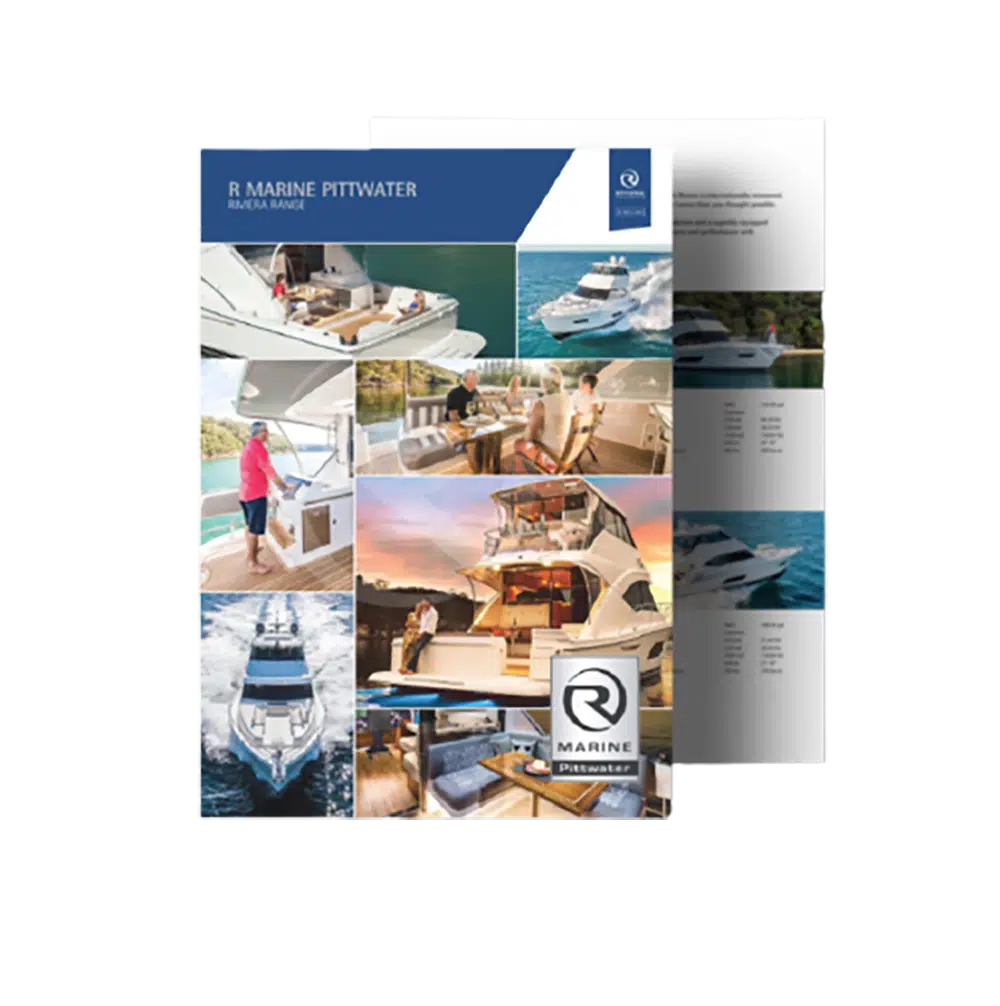
What Formats Do Catalogues Come In?
Catalogues are usually created digitally first, but the finished product can be prepared for print, supplied as a PDF or turned into an online flipbook style resource. Print catalogues are ideal for showrooms, sales meetings, trade shows and leave behinds. Digital catalogues are useful for email, downloads, online browsing and quick sharing.
Another term for catalogue is a lookbook. A lookbook is usually more visual and is often used to showcase seasonal work, product ranges or recent projects.
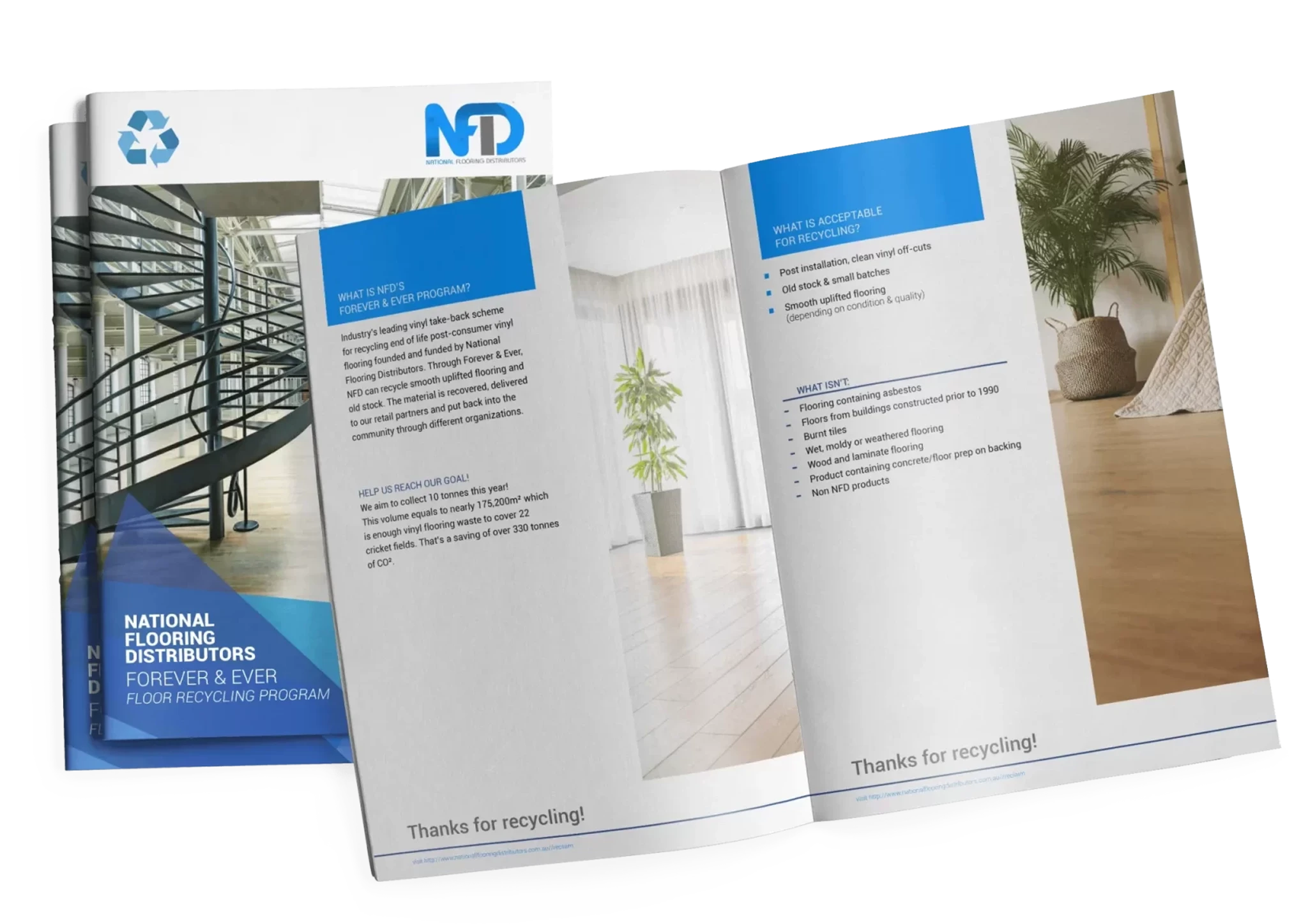
What Goes Inside?
Printed catalogues work best when the content is clear, helpful and easy to navigate. The goal is not to overload the reader, but to answer questions and guide decisions naturally. Strong catalogues usually include a clear introduction to your brand, product or service details, high quality imagery, specifications, pricing or options, trust signals and clear next steps.
When content is planned properly, your catalogue becomes a reference point customers return to, not something they skim once and forget.
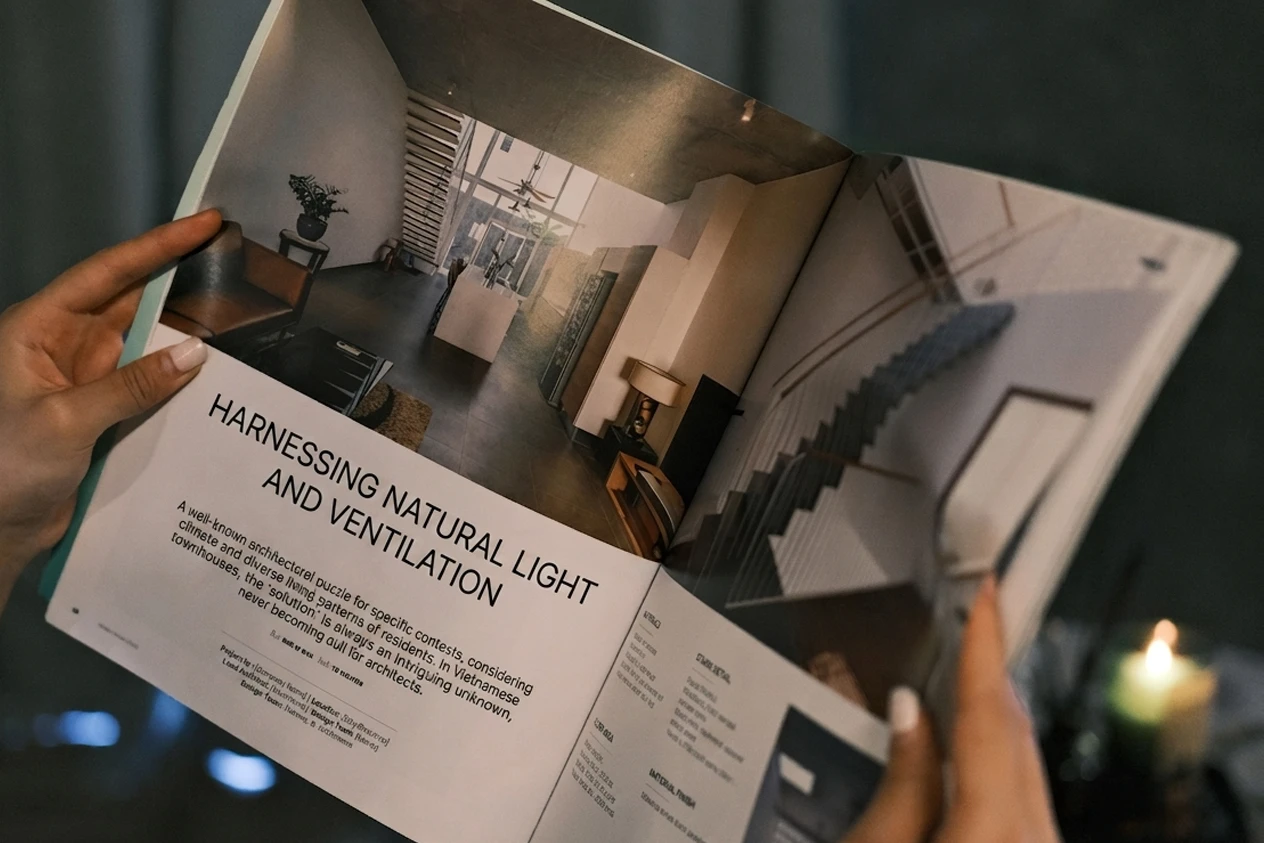
Design Plays a Huge Role
A cluttered or outdated layout can undermine even the best products, while a considered design builds instant credibility. Good catalogue design focuses on clear hierarchy, consistent branding, strong spacing, guided layouts and print ready artwork that looks just as good in hand as it does on screen.
Design is about making information easier to understand and helping customers feel confident in your brand.
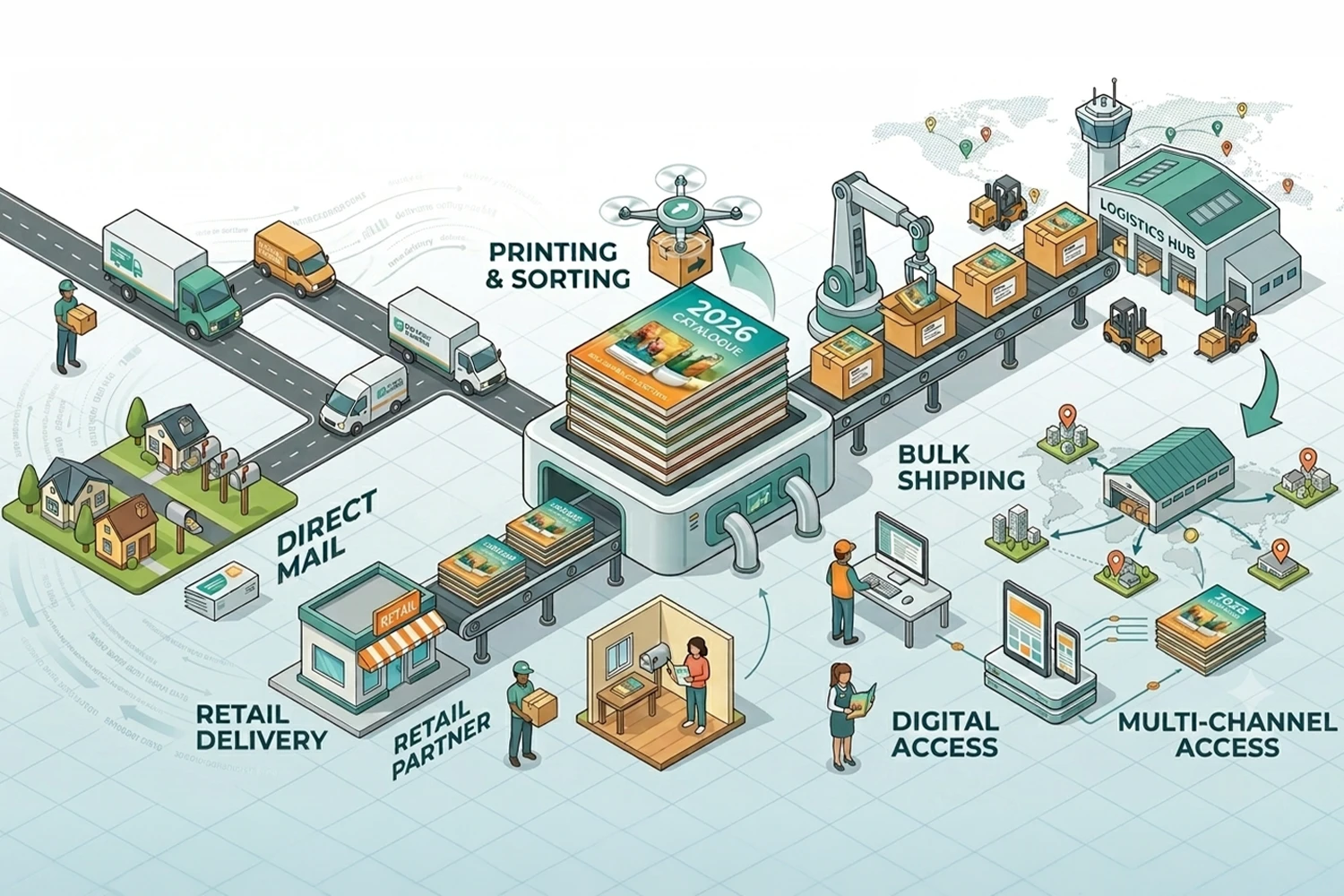
Distribution Matters Too
How your catalogue is used is just as important as how it is designed. Distribution should be planned early so the format, size and finish suit its purpose. Common distribution methods include showroom handouts, sales leave behinds, direct mail campaigns, trade shows, events and inclusions with deliveries or product packaging.
A well distributed catalogue extends the life of your marketing, keeps your brand front of mind and supports your sales team long after the first interaction.
FAQs About Printed Catalogues
A printed catalogue is a multi page booklet that showcases your products or services in a structured, easy to browse format. It helps customers compare options, understand details and make confident purchase decisions.
Catalogues are commonly used in showrooms, retail stores, sales meetings, trade events and mail outs. They give customers something tangible to take home, review later and share with decision makers.
A brochure usually introduces a business or service range with a shorter, high level message. A catalogue is typically longer and more product focused, with structured sections, item details and options that support comparison and buying.
Most catalogues are designed digitally first, then supplied as print files and often also as a digital PDF for email and downloads. You can also publish a flipbook style version for online browsing.
Common sizes include A4, A5 and square formats. The best size depends on how much information you need to include, how it will be distributed and whether it needs to feel premium or more budget friendly.
Most catalogues perform best with clear categories, product names, key features, pricing or options, high quality imagery and a simple next step for ordering or enquiries. Add trust signals too, like warranty details, testimonials and certifications where relevant.
Yes. QR codes, short links and dedicated landing pages can be added so you can attribute enquiries and measure response. The best results usually come from one clear call to action per section.
Your catalogue should be updated whenever your products, pricing, services or key business details change. Many businesses refresh their catalogue seasonally, annually or when launching a new range, so customers always have accurate and useful information.
Find Out About Printed Catalogue Design
"*" indicates required fields
Turn your offer into a professional printed catalogue
Media Booth® can help you create a printed catalogue that communicates your value clearly, supports your sales process and gives customers something useful to keep, revisit and share.